Our approach
Children are capable, curious and full of possibility.
Children arrive already thinking. They investigate, ask, decide, build, test an idea and try it a different way. They collaborate, solve problems, take appropriate risks and express what they understand in more ways than words.
Our work is to take that seriously, and to build the relationships, environments and practice that let it happen. This page explains the thinking behind everything you see across our centres.
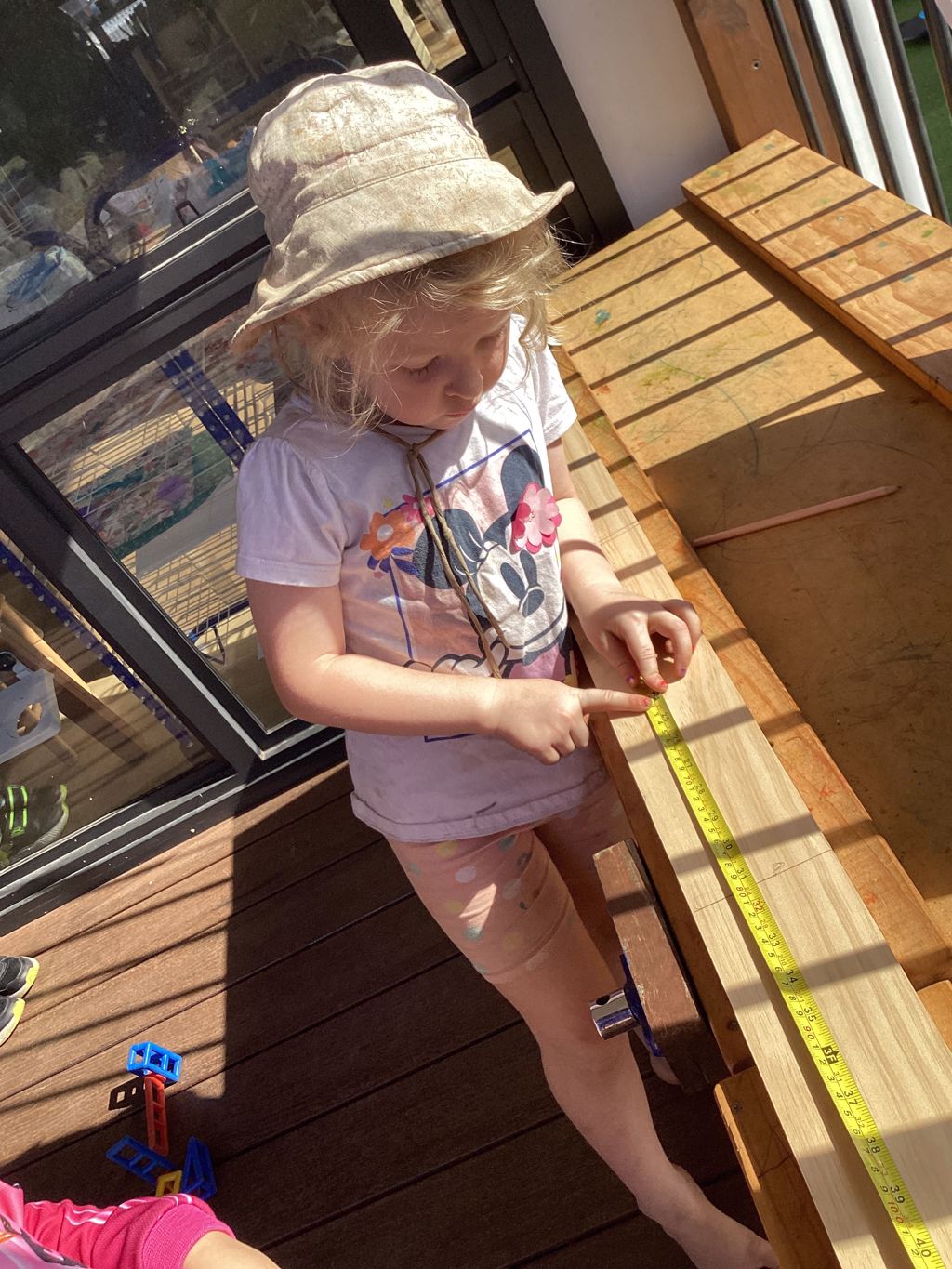
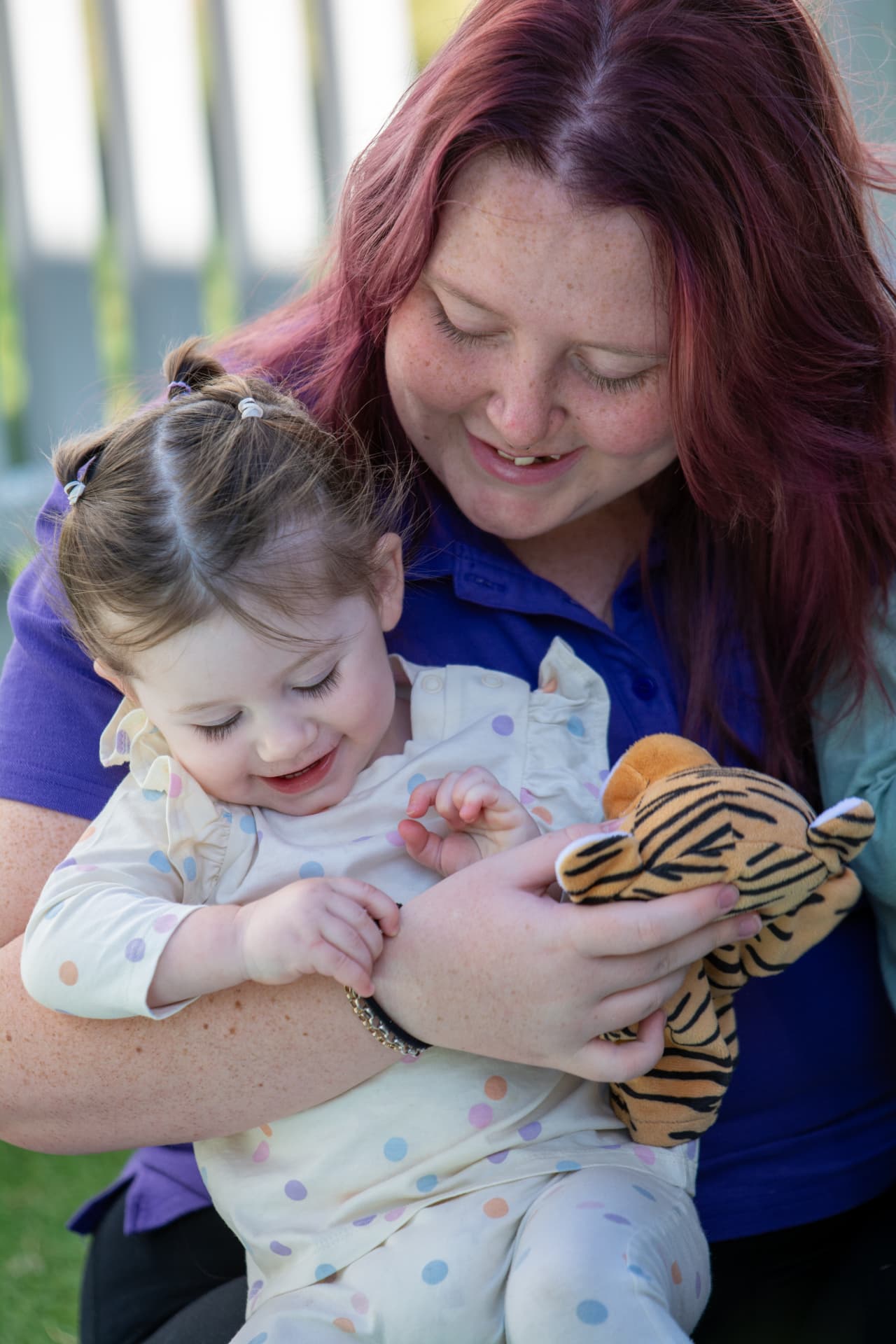
Belonging
Belonging comes first.
Before a child explores anything, they need to feel safe, known, respected and connected. That is not a soft preliminary to learning. It is the condition for it.
So we start with the relationship. Educators learn a child’s temperament, their rhythms, what settles them and what they are drawn to, one child at a time, from the first day. Every child is met as an individual, and every child is included.
Real play
Learning through real play.
Building, making, moving, talking, imagining, digging, testing, arguing it out and trying again. Real tools, real materials, real weather, real problems worth solving.
We don’t need to make play look like school for learning to be happening. A child hauling water across a yard is working with volume, effort, cooperation and persistence, and they will come back to it tomorrow because it was theirs.
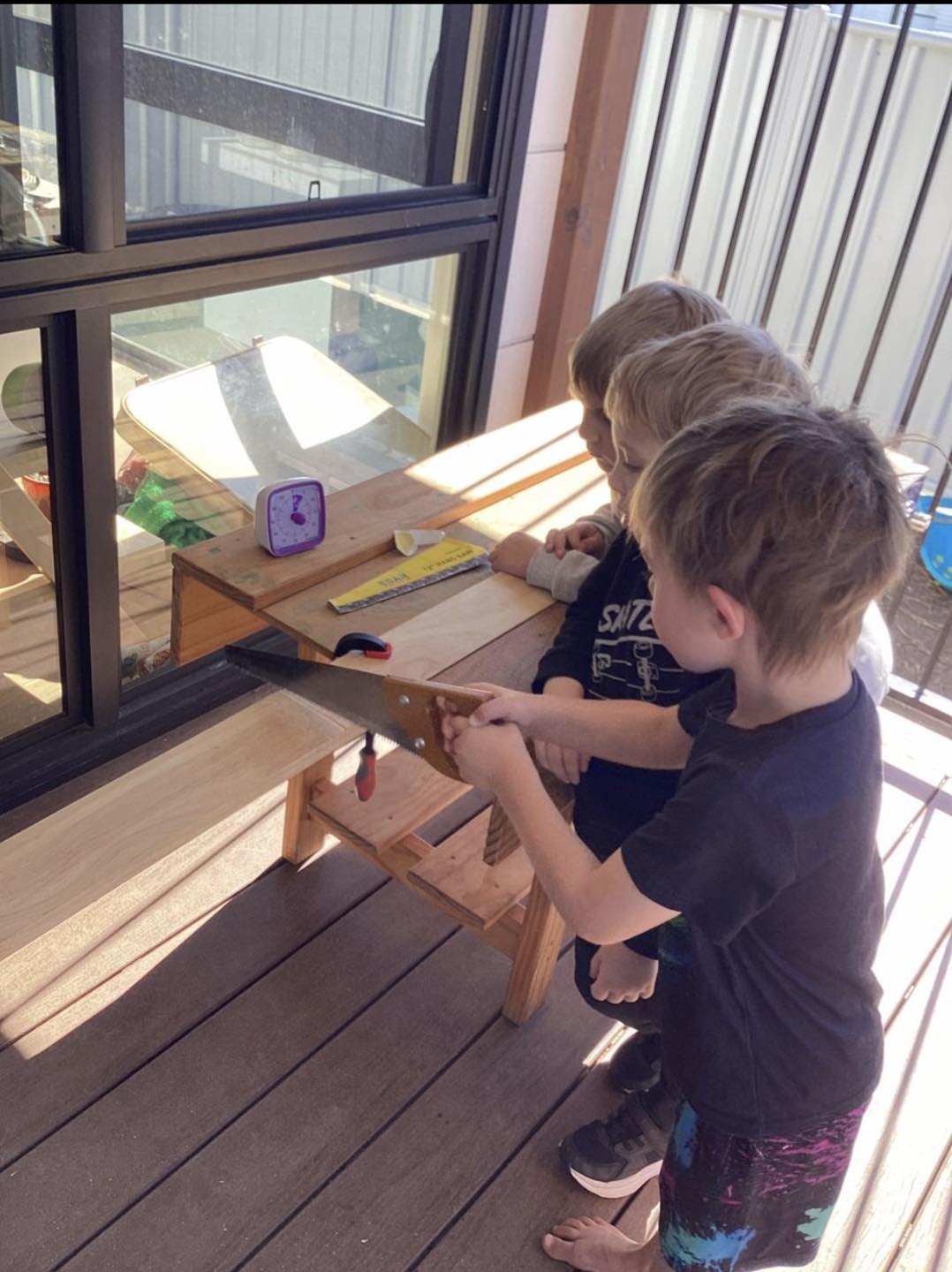
Real tools, taught properly: risky play with genuine responsibility.
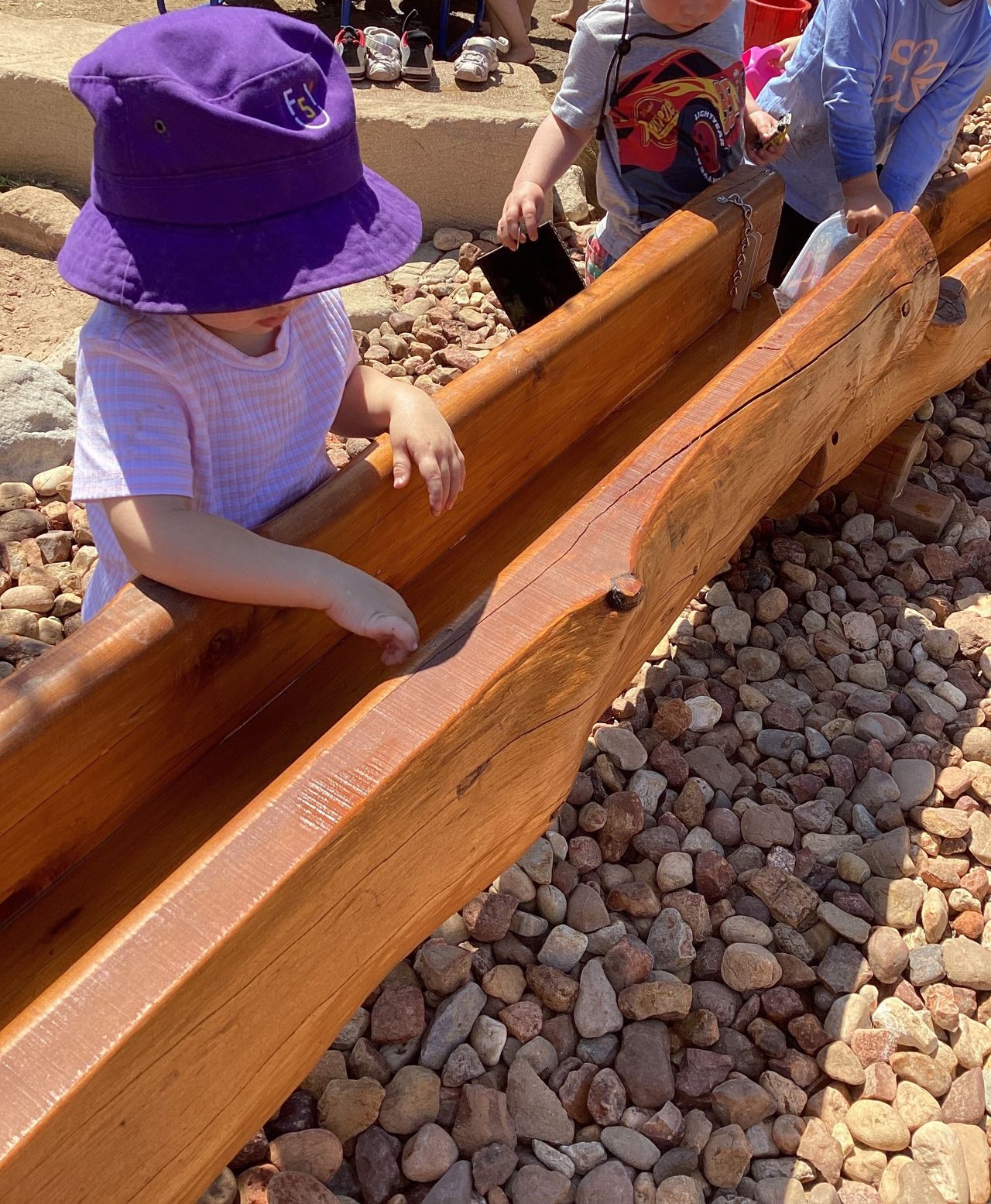
Water, timber and stone: shared work at the trough.
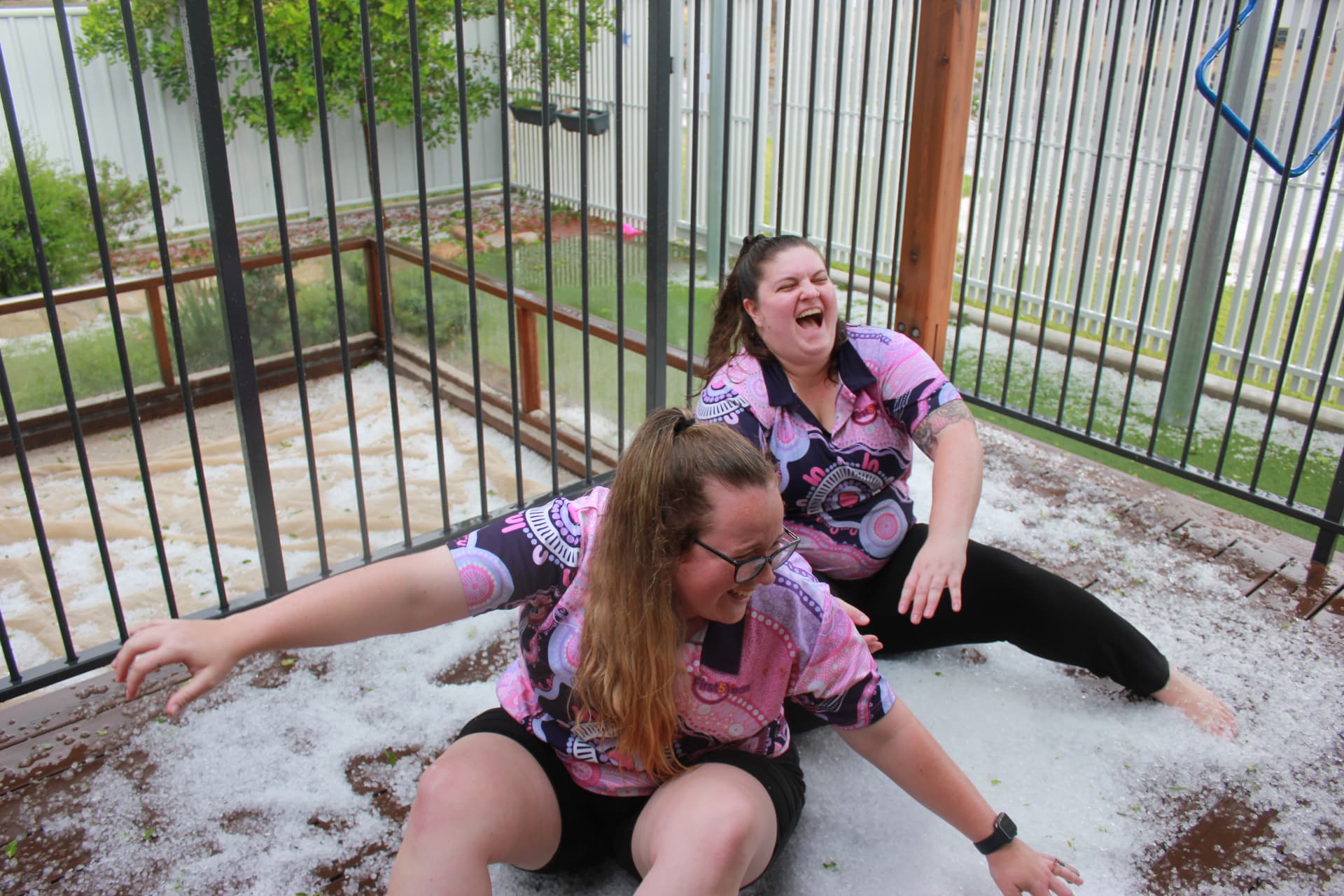
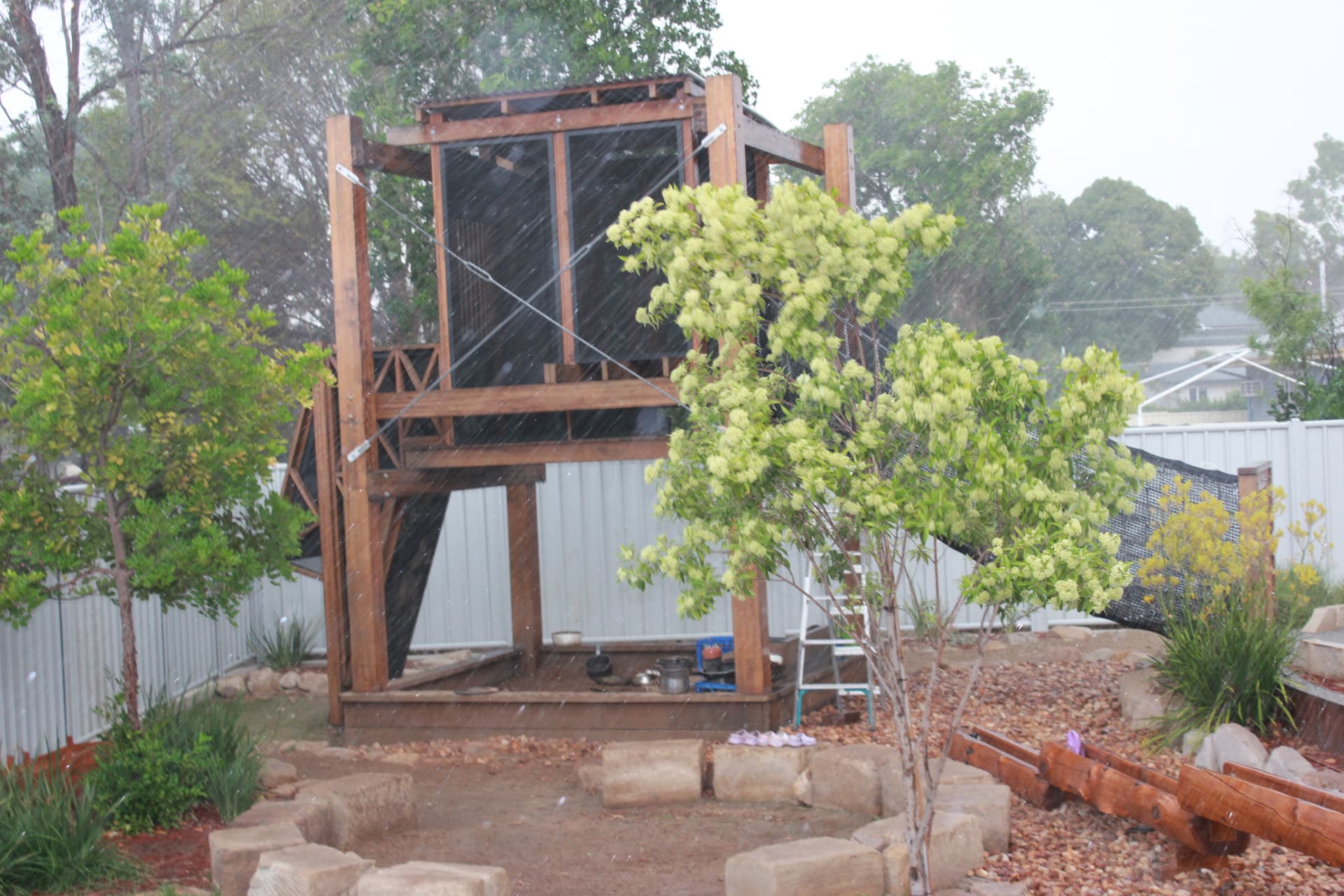
The morning after hail. Some of the best learning of the week was not planned by anyone.
The environment
We believe the environment is the third teacher.
Our architecture, interiors and playscapes are not aesthetic indulgences. They are educational decisions. A well-considered environment does something an adult cannot do by instruction: it invites.
It invites a child to climb, to retreat, to make, to move, to encounter nature, to work with real materials, to take an appropriate risk, to gather with two others, and to return to the same idea over days.
That is why every centre is designed for the town it belongs to, and why we work with architects and landscape architects rather than catalogue equipment. What a child can do in a space is decided long before they walk into it.
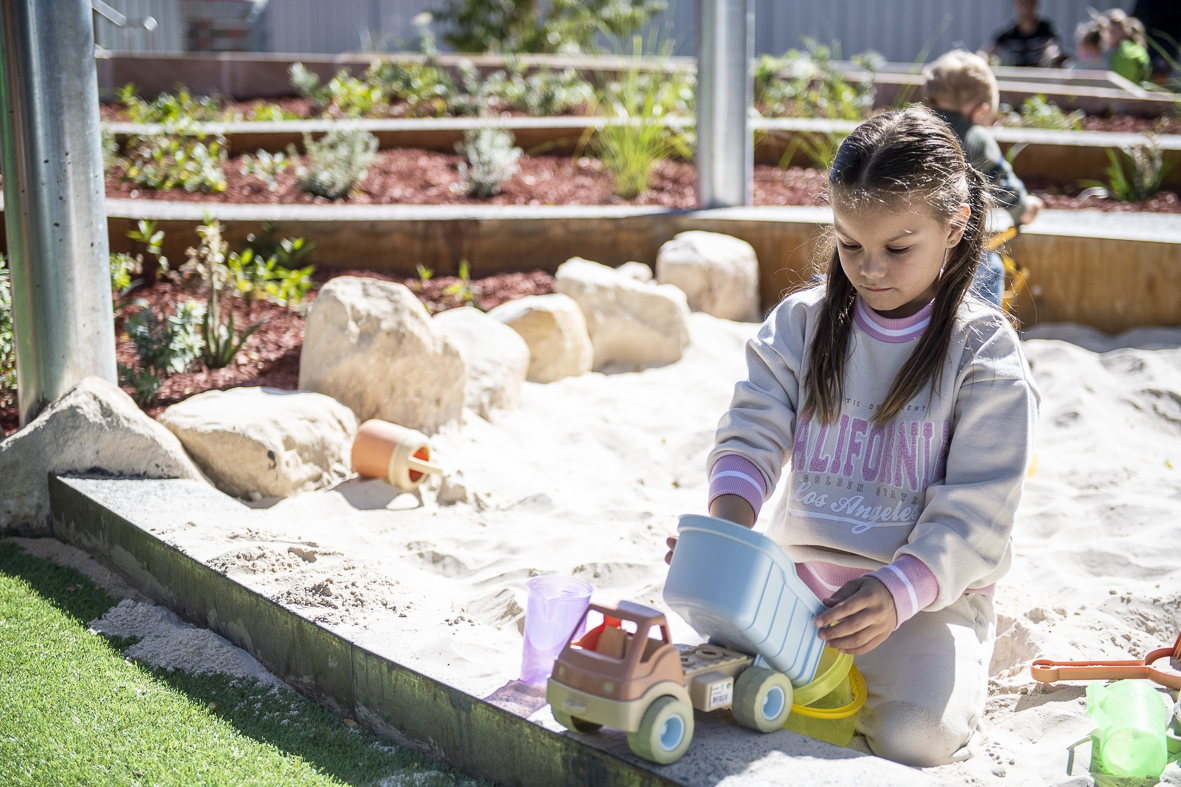
Emerald, the playscape, in use.
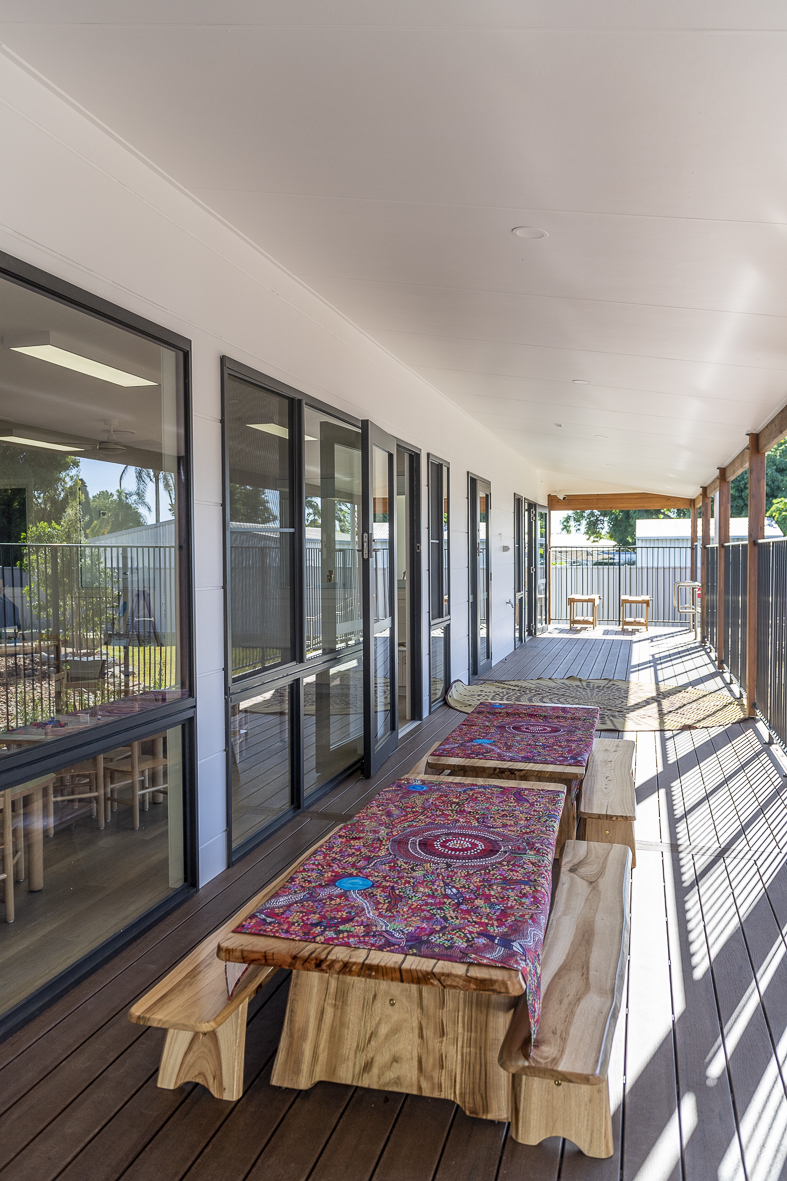
Emerald, inside opens out, and much of the day happens here.
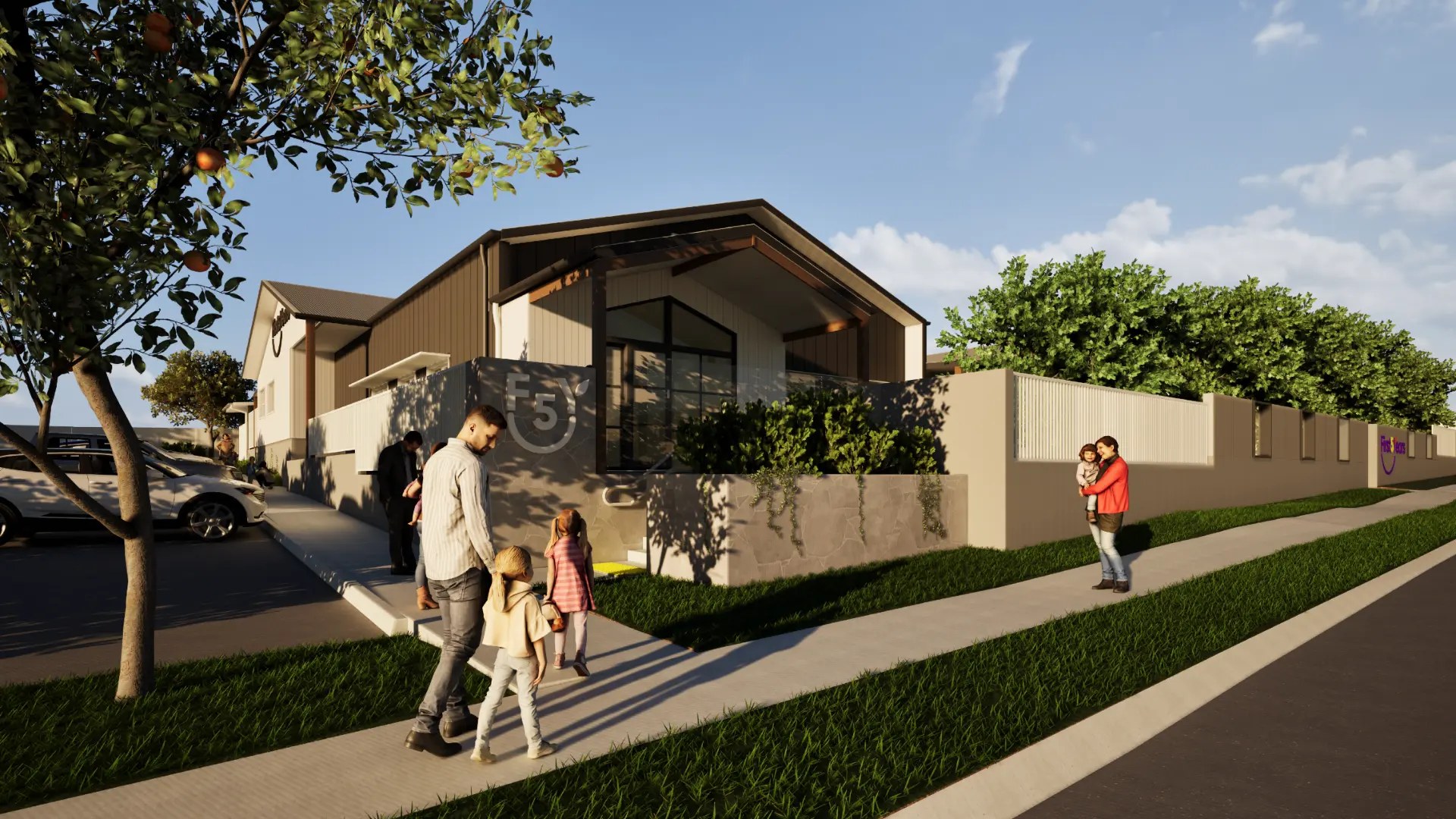
Gladstone, architectural render, in development.
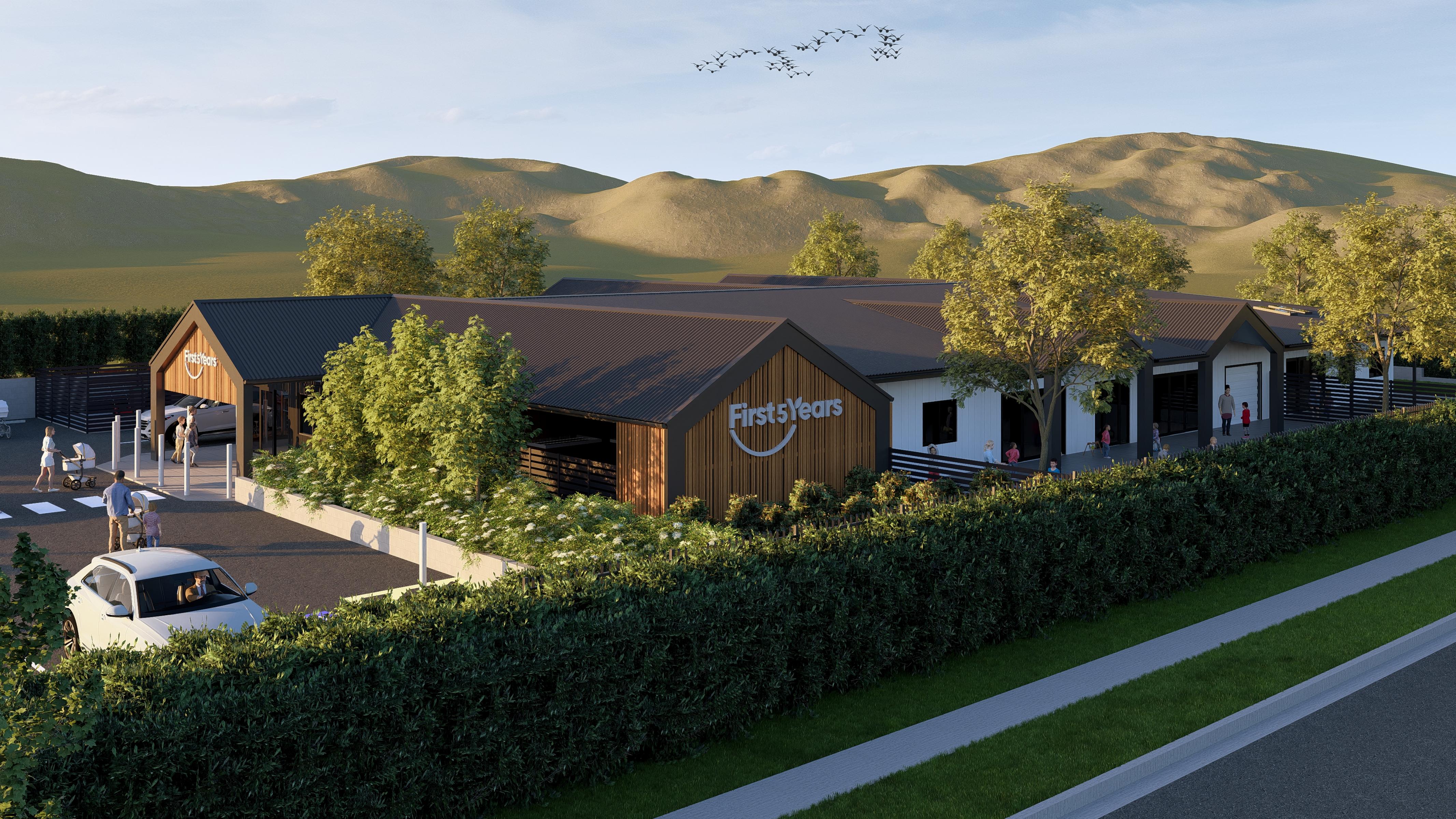
Tamworth, architectural render, in development.
How we work
Observe · Listen · Plan · Respond · Reflect.
Intentional teaching, in practice, is mostly noticing. Our educators know the developmental sequence and the national learning frameworks well, but those inform the planning, they are not the story. The child is.
It is a cycle rather than a program, and it runs every day, in every room.
- Observe
- We watch closely, and we document what a child actually does rather than what we expected.
- Listen
- Children tell us what they are working on, in words, in questions, in what they return to.
- Plan
- We set up environments, materials and experiences around that, informed by what we know about development.
- Respond
- We extend the thinking in the moment: a question, another material, more time, a step back.
- Reflect
- Then we look honestly at what happened and decide what should come next.
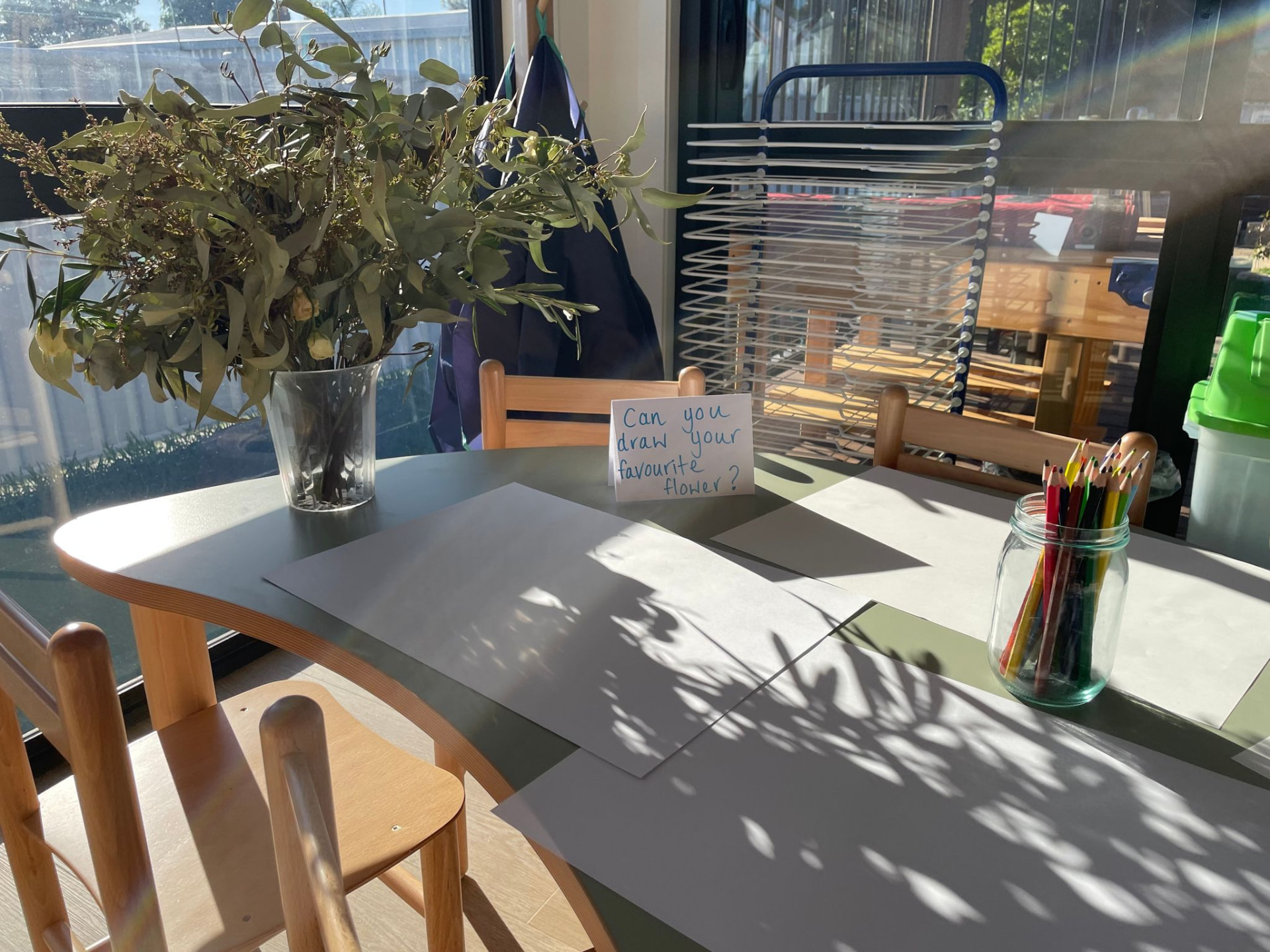
An invitation, set up before the children arrive, planning made visible.
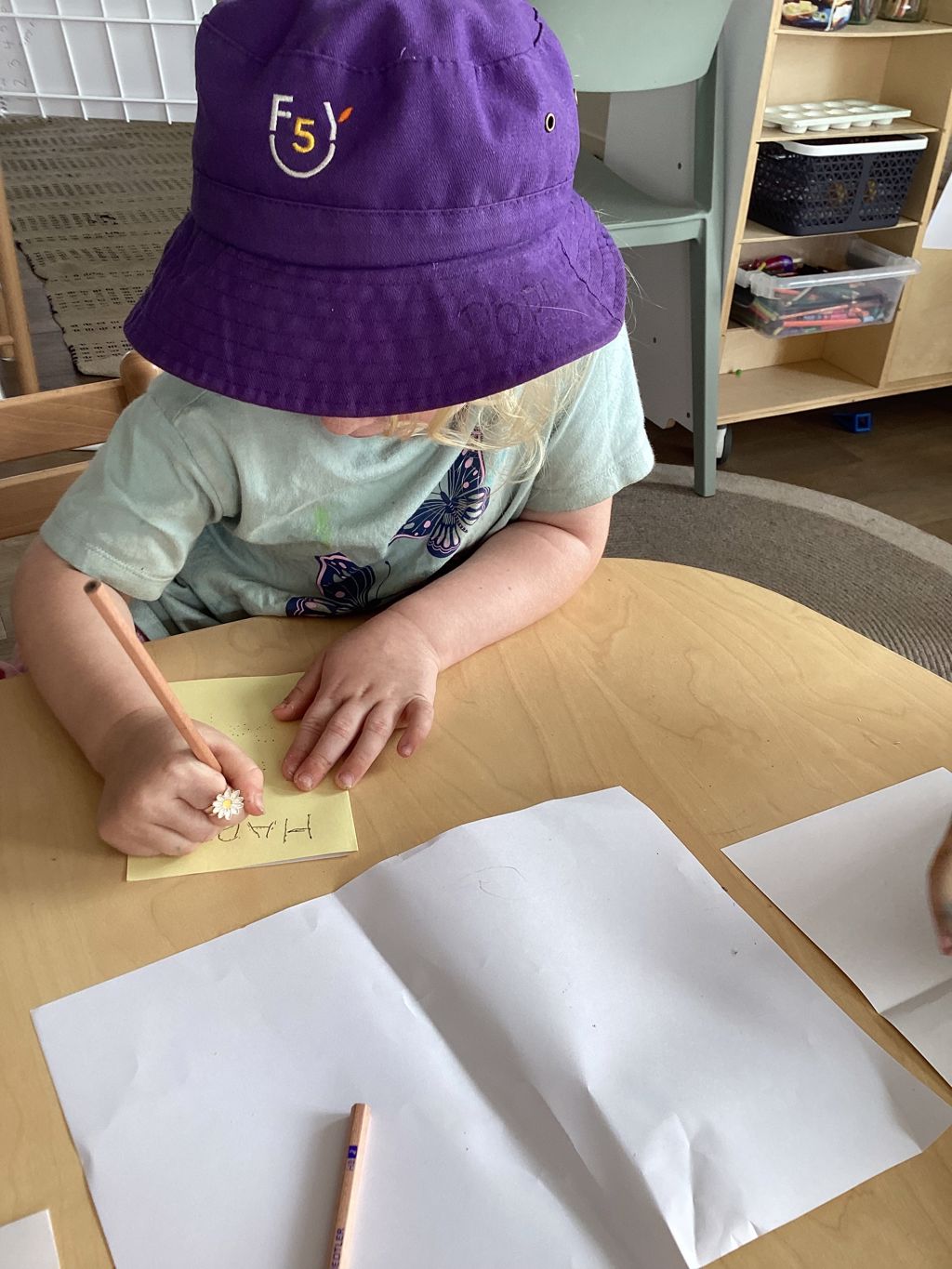
And what a child does with it.
Our educators
Supported people support children well.
If we expect educators to create an exceptional environment around children, we have to create an exceptional environment around educators.
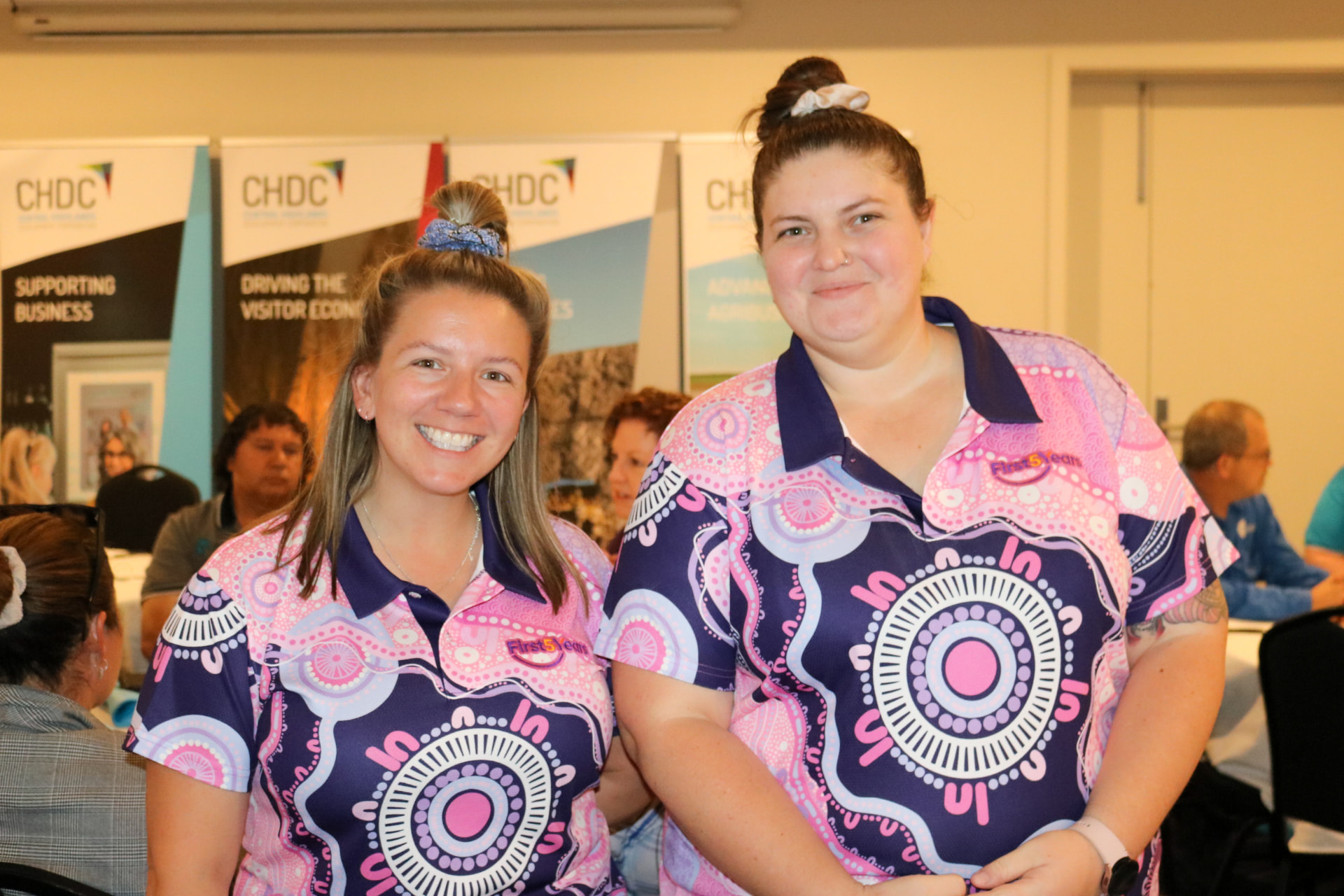
Support shouldn’t begin when something goes wrong. It should already be there. So we build it in deliberately, as part of how the organisation runs rather than as something offered in a crisis.
Quarterly goals
Every quarter, each person sets and reviews goals that are personal as well as professional. We want to know what actually matters to someone, not only what their role requires.
A monthly one-to-one
Once a month, a real conversation: how are you going, what is working, where are you stuck, and what would help. It happens whether or not anything is wrong.
Coaching
Up to six coaching sessions a year, for another perspective, a difficult stretch, or something someone is trying to move toward.
Leadership you can phone
Anyone can pick up the phone to anyone in leadership, Mel included. Distance between the floor and the leadership team helps nobody.
A supported educator has more space to be present, notice what matters and respond thoughtfully to the child in front of them.
The environment around a child is made by people. Looking after those people is part of our educational approach, not separate from it.
Around every child
Around every child.
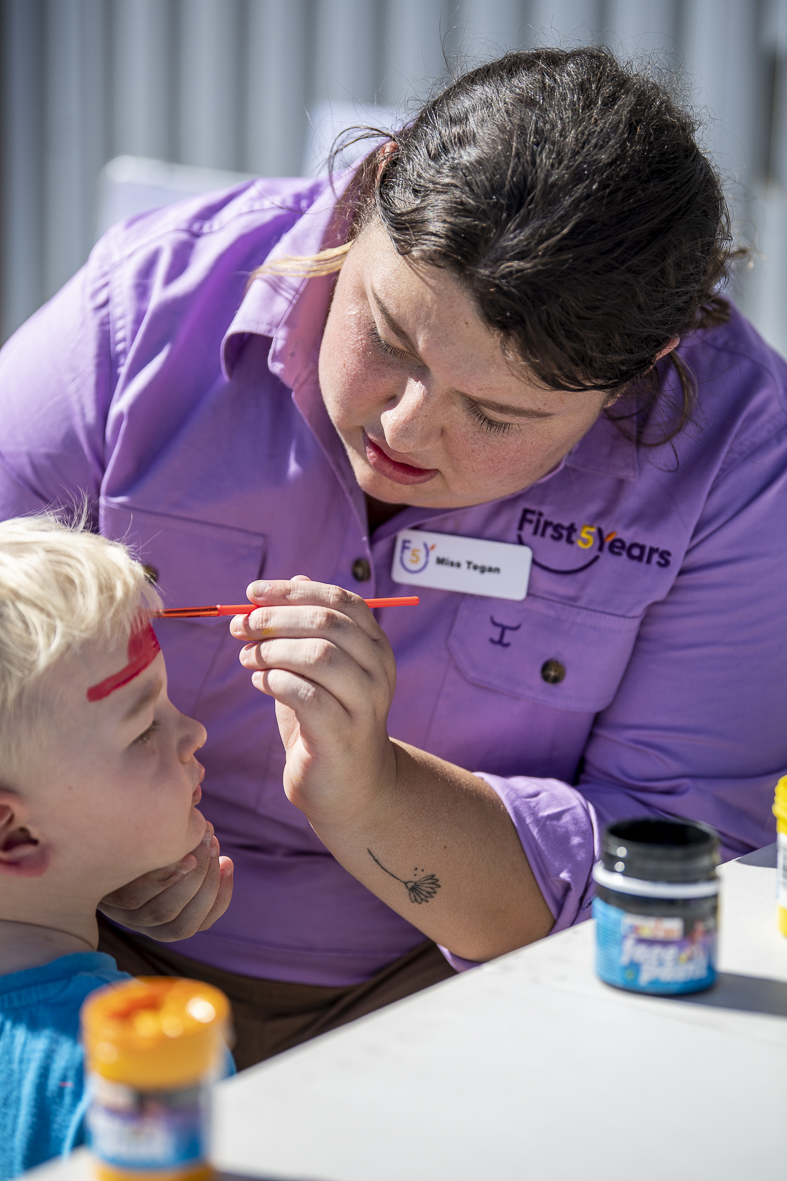
Families know their children best.
A family understands their child, their culture and their household in a way we never will from the outside, and that understanding makes ours better.
So we ask, we listen and we share, and none of it is a one-way activity report sent home at the end of the day. Families are partners in the work, and they are welcome in it.
Community matters too.
No child grows up in isolation. Around each one sits a family, a group of educators, a town, and (when it helps) allied health services and inclusion support we can connect a family to.
We take that seriously in regional Australia in particular, where those connections are harder to find and matter more. Being part of a town, rather than simply operating in it, is the point.
Still learning
We keep learning too.
Our practice continues to be influenced by ideas associated with the Reggio Emilia philosophy, the capable child, learning through relationships, inquiry, careful listening, and the environment as a teacher in its own right.
We don’t claim to have finished the thinking, or to have invented it. Our educators reflect, research informs what we do, children and families change our minds, and our environments keep evolving because of it.
Being willing to question our own practice is not a gap in it. It is the part we are most committed to.
The best way to understand it is to stand in it.
Come and see a centre, or read how First5Years began.